
New Gene Signatures Could Improve Personalized Breast Cancer Care
Breast cancer is not a single disease but a collection of distinct subtypes that respond differently to treatment. This study investigated the role of sirtuins (SIRT1–SIRT7) - a family of genes involved in energy metabolism, DNA regulation, and healthy agingto determine whether their expression patterns could help predict patient outcomes. By analyzing gene expression data from more than 7,800 breast tumors, the researchers identified subtype-specific combinations of sirtuin genes that were more accurate in predicting recurrence-free survival than individual biomarkers. These findings sugges - t that molecular signatures reflecting both mitochondrial function and epigenetic regulation could support more precise risk assessment and treatment planning for breast cancer patients.
Researchers from the Institute for Translational Research contributed to this international collaboration, helping uncover how aging-related molecular pathways influence cancer progression. By linking longevity-associated genes with breast cancer biology, the study advances the development of precision medicine approaches that tailor diagnosis and therapy to the unique characteristics of each tumor. This research brings clinicians one step closer to more personalized and effective treatment strategies that improve long-term patient outcomes.
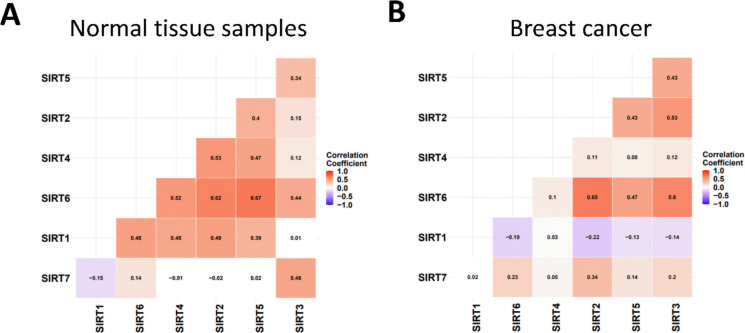
Ungvari Z, Menyhárt O, Ocana A, Lehoczki A, Fekete M, Bianchini G, et al. Subtype-specific sirtuin expression signatures link mitochondrial-epigenetic networks to breast cancer survival. GeroScience. 2026. doi:10.1007/s11357-026-02143-9.